First-Time Buyer? Don't Just Save... Have a Plan
New research suggests it could take a solo first-time buyer almost a decade to save for a deposit and moving costs. But while you're saving, there are plenty of practical steps you can take to prepare for buying your first home. Our latest blog explains how planning ahead can make all the difference.
A recent piece of research by Reallymoving caught my attention. It suggests that a solo first-time buyer in England could spend more than nine years saving an average of £27,315, enough for a deposit and the costs of moving, which includes conveyancing fees, survey costs and removals. It's a pretty sobering statistic, but it doesn't tell the whole story.
It's easy to read headlines like these and think that owning your first property is a pie-in-the-sky dream.
But here's something that’s really worth remembering: Buying your first home isn't just about saving a deposit. It's also about preparing yourself for the day you're ready to buy, and the more you learn about the market while you're saving, the more confident you'll feel when that opportunity arrives.
Here at WhiteKnights, we speak to lots of first-time buyers and so many of them have assumed they should wait until they've reached their savings target, before they start believing it could be a reality. This can have a negative effect on your mind-set and push your property-owning dreams further away. But, in reality, there are plenty of things you can be doing long before your savings are complete, and being ‘involved in the market’ can cement your vision and help you to get to the point of making an offer.
Here are our 5 tips for planning your first-time buy:
1: Know what you're actually saving for
Most buyers naturally focus on the deposit, but that's only one part of the picture.
You need to understand the cost of everything else that goes along with buying: legal fees, surveys, mortgage costs and removal expenses top the list. Do your research, speak to these people and find out what the realist costs are going to be. If you have the full picture from the beginning it makes the whole process feel much more manageable and definitely helps avoid unexpected surprises later on.
2: Get to know your local market
One of the biggest advantages you can give yourself is knowledge.
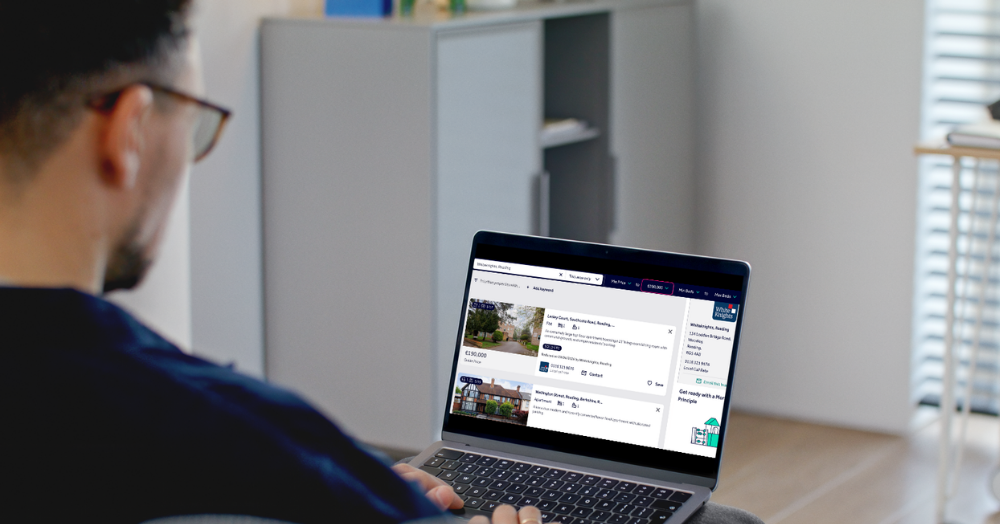
So, rather than waiting until you're ready to buy, spend time understanding what's available in the areas you're interested in. It’s easy to track the market on portals like Rightmove & On The Market. Don’t just register for new property alerts, check the reduced and under offer properties too - in today’s market you will often see prices falling before something is sold, and this can feel really encouraging. By watching how quickly Reading properties sell, and comparing asking prices, you will get a feel for what different budgets can buy and which areas are in demand.
The national average first-time buyer property price is around £250,000, but local markets can look very different.
Here in the Reading area, for example, WhiteKnights are currently marketing one-bedroom apartments from around £160,000 in Burghfield Common and £189,995 close to Reading town centre. Seeing what's available locally can make your own savings goal feel much more achievable. Take a look here.
3: Speak to a mortgage adviser sooner rather than later
Many first-time buyers think there's no point in speaking to a mortgage adviser until they've saved every penny they think they need but that couldn’t be further from the truth.
The earlier you start to speak to a financial advisor [or two or three] the more options you will know about, and you could be pleasantly surprised. There are so many different types of financial advisor, but try to find one who is recommended to you, or who is “all of market” so they can research different products, rather than only offering one lender’s options.
Understanding how different lenders assess affordability, what deposit you'll really need to save, and how your credit history could affect your borrowing, gives you more time to prepare, rather than rushing when the right property comes onto the market and you fall in love.
4: Remember, your first home doesn't have to be your forever home
It's something we often remind first-time buyers when they speak to us. Your first property is exactly that... your first.
We sometimes meet first-time buyers who are trying to find their "forever home" before they've even got onto the property ladder. In reality, most people don't stay in their first property for very long. Mortgage lender Santander recently found that the average first-time buyer moves on to their next property after around four and a half years, because they need more space or their circumstances have changed.
Trying to buy your dream home straight away can sometimes make the whole process feel far more difficult than it needs to be. Think of it like this, getting onto the property ladder is the biggest hurdle, and once you are there it is much easier to get the next property financed.
5: Preparation is just as important as saving
While you're deposit is growing, hopefully in a high-interest savings account, you can also start improving your credit score, reduce or pay off any other borrowing [such as store or credit cards, car loans, student debt], learn all about the buying process and register for property alerts on the portals, so you understand what's happening in the local market.
All of those things will help you feel much more confident when the time comes to start viewing and, hopefully, make an offer on a property.
Whilst recent research suggests that saving for your first home takes time, which is no major surprise, we know that those years don't have to be spent simply waiting. They can be spent preparing.
Every homeowner started somewhere, and with the right advice, a realistic plan and a little patience, taking that first step onto the property ladder can become much more achievable than you might think. You might also come away with a better first home than you would have done without all your research!
If you're thinking about buying your first home and would like some friendly, no-obligation advice, we'd be delighted to help. Whether you're ready to buy now or simply want to understand what's happening in the local market, or speak to our recommended mortgage advisors at The Mortgage Advice Bureau, our team is always happy to have a chat.