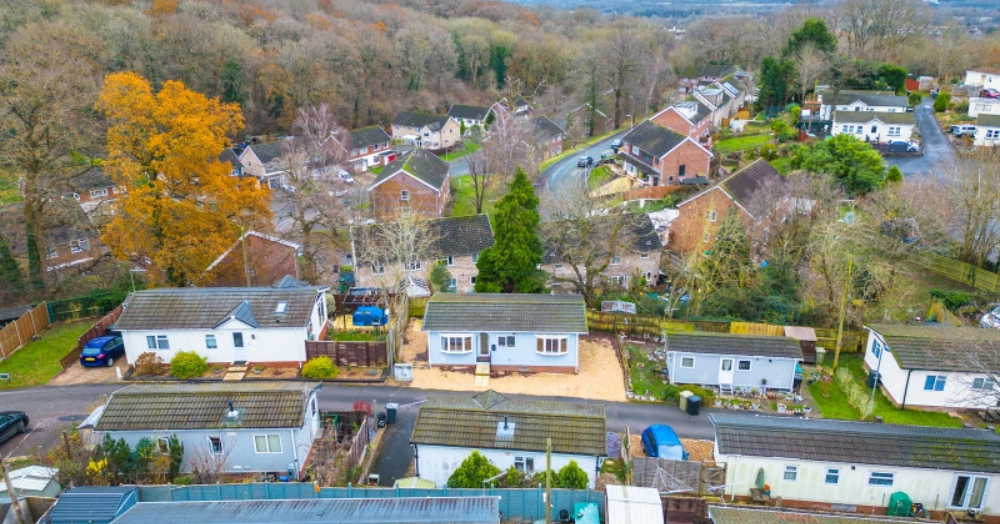
Embracing the Park Home Lifestyle
A park home, often described as a detached bungalow-style residence, offers a unique living experience, permanently situated on a privately owned site or estate. These homes are built off-site and then positioned on land, that is usually owned by either a private park or a local authority.
A Comprehensive Guide to Modern Mobile Living
A park home, often described as a detached bungalow-style residence, offers a unique living experience, permanently situated on a privately owned site or estate. These homes are built off-site and then positioned on land, that is usually owned by either a private park or a local authority. When you purchase a park home, you become the owner of the structure itself but not the land it stands on. Instead, you lease the plot, with site fees covering general upkeep. Fees range from site to site but would usually be between £250-£500 pcm.
Park homes must be movable in one or two pieces, possibly equipped with their own wheels or attached to a vehicle. They adhere to maximum dimensions of 20 metres in length, 8 metres in width, and a 3.05-metre internal height, ensuring they maintain a compact and efficient design.
Considering a park home purchase?
Purchasing a park home can be appealing due to its affordability, low maintenance, security, and community living benefits. However, they may depreciate over time and incur additional costs like ground rent and commission fees. Mortgages are generally not available for these properties, necessitating alternative financing methods. Despite these factors, park homes offer a unique lifestyle, often sought after by those wishing to downsize or seeking tranquillity away from urban centres.
Financial and legal aspects
Unlike traditional property purchases, buying a park home exempts you from stamp duty, as it's a tax applicable only to land ownership. These homes must be built to the British Standard BS3632, ensuring they are suitable for year-round residence. Before committing to a purchase, verify the site's residential licence, ensuring it permits occupancy throughout the year. It's crucial to obtain park rules, service charge details, and any applicable warranties, like the 10-year Goldshield roof warranty, to fully understand your commitments and rights.
Your responsibilities and rights
As a park home resident, maintaining your property and its surroundings is essential. Conversely, park owners must upkeep communal areas and ensure utilities and services are adequately maintained. The Mobile Home Act 2013 significantly safeguards park home residents' rights, offering substantial security over their living environment. Selling your park home is straightforward, though park owners may claim up to 10% of the sale price. While age restrictions apply, most communities welcome those over 50, with some flexibility depending on the park.
Community life and environmental impact
Park homes are known for their vibrant communities, energy efficiency, and potential for sustainable living. They are typically more cost-effective to heat and offer a greener lifestyle option. Manufacturers often use recycled or sustainably sourced materials, further enhancing their environmental credentials.
Accessibility and insurance
These homes can be custom-built or adapted to be disability-friendly, addressing specific accessibility needs. Due to their unique nature, specialised insurance is recommended to ensure adequate coverage, highlighting the importance of selecting a provider with expertise in park home insurance.
In summary, while the park home lifestyle offers numerous benefits and a close-knit community environment, it's crucial to consider the financial aspects, maintenance responsibilities, and the park's rules and regulations before making a decision. With proper research and understanding, a park home can be a delightful and sustainable living choice.
For details of the Park Homes we have available, or to discuss buying or selling a Park Home, just get in touch with the team: